
Our Location
304 North Cardinal St.
Dorchester Center, MA 02124

It also helps you identify how non-cash transactions and working capital changes affect your bottom line. Since the income statement and balance sheet are based on accrual accounting, those financials don’t directly measure what happens to cash over a period. Therefore, companies typically provide a cash flow statement for management, analysts, and investors to review. The cash flow statement indirect method, is a financial document that showcases the movement of cash in and out of a business over a specific period. Unlike the direct method, which directly records cash transactions, the indirect method begins with net income. It adjusts it for non-cash items and changes in working capital to derive the net cash provided or used by operating activities.

Common pitfalls include overlooking cash flow, misinterpreting financial data, and neglecting regular updates. Both small business owners and medical professionals need to maintain accuracy in financial reporting. The cash flow statement can be prepared using either the direct or indirect method. Both methods provide insights into a company’s cash activities, but they differ in approach. A cash flow statement is crucial in evaluating the liquidity and cash-handling capabilities of a business. If the starting point profit is above interest and tax in the income statement, then interest and tax cash flows will need to be deducted if they are to be treated as operating cash flows.
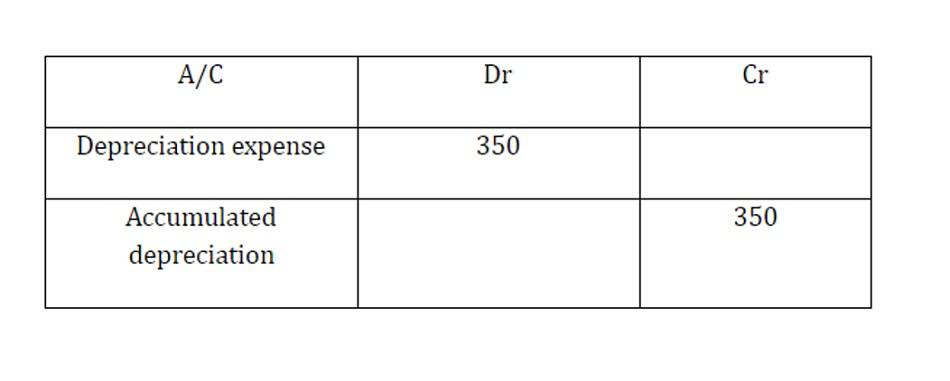
Using the cash flow statement format indirect method ensures transparency and accuracy. Regardless of the tool, make sure the adjustments align with your financial statements. A profitable company can still face cash flow issues, especially if customers delay payments. The indirect method adjusts for Purchases Journal these, providing a clearer picture of cash generated from operations. Depreciation is a non-cash expense that reduces net income but doesn’t affect actual cash.
Understanding your CFO is critical for evaluating the financial health of your business. It provides insights into whether your core operations are generating enough cash to sustain ongoing activities. A positive CFO indicates that your revenues are sufficient to cover operational costs, while a negative CFO raises concerns about cash flow sufficiency. In a nutshell, the cash flow statement will be a reflection of your business capital and how money flows into and out of your company.

The company’s profitability is robust, with a return on capital employed (ROCE) of 31.75%, indicating efficient use of capital to generate operating profits. The net profit margin of 13.1% shows that the company retains a healthy portion of sales as profit after tax. The debt-to-equity ratio of 0.19 suggests low financial leverage, meaning the company relies more on equity financing than debt, which reduces financial risk and interest burden. Understanding how they differ, and how they relate to forecasting, can dramatically improve the clarity, usefulness, and reliability of your cash flow outlook. When combined with a weekly rolling cadence, the right approach http://www.chiaralucchesi.it/retained-earnings-what-is-it-examples-vs-net/ turns forecasting from a backward-looking exercise into a forward-looking management tool. It has many non-standard and idiosyncratic line items, depending on the company, but it also excludes major items that affect a company’s true cash flow, such as CapEx.

To understand how to calculate the cash flow statement indirect method, let’s look at the basic formula first. These adjustments link profit on the income statement to actual cash activity. This number appears on the final line and represents profit after all revenues and expenses for the period. Other investing activities include cash outflow from the business, leading to a deduction.

Understanding both methods gives you a clearer picture of financial health and makes indirect cash flow statement you a stronger finance professional. Leveraging these statements allows for optimized business operations and strategic growth planning. The primary aim of this statement is to illustrate how well a company performs financially. This is particularly useful for owners and investors looking to assess profitability. These documents provide insights into different aspects of a business’s financial health. Additionally, it shows where we find the calculated or referenced data to fill in the forecast period section.
