
Our Location
304 North Cardinal St.
Dorchester Center, MA 02124

Exploring the psychological impacts of gambling on decision-making processes
Gambling can trigger a complex interplay of psychological mechanisms that significantly influence decision-making. The thrill of risk and uncertainty often leads individuals to take chances they might otherwise avoid, especially when considering options like non gamstop casinos uk. This heightened arousal can diminish critical thinking, causing gamblers to make impulsive choices that prioritize immediate rewards over long-term consequences. Neurotransmitters like dopamine play a crucial role in this process, as they are released during gambling activities, creating feelings of pleasure and reinforcing the behavior.

Addiction can complicate this dynamic further. As individuals continue to gamble, their brains may begin to prioritize the gambling experience over other activities, leading to distorted perceptions of risk and reward. This altered state can result in a decision-making process that is heavily influenced by emotional highs and lows rather than rational thought.
When it comes to gambling, risk perception is often skewed. Cognitive biases, such as the illusion of control, can lead individuals to believe they have more influence over outcomes than they actually do. This false sense of empowerment can drive further gambling, as players convince themselves they can outsmart the odds. Such biases not only distort judgment but also undermine the ability to make rational decisions based on statistical realities.
The gambler’s fallacy is another critical cognitive bias that affects decision-making. Gamblers may think that previous losses increase their chances of winning in future bets, which can perpetuate a cycle of risky behavior. This skewed perception can create a feedback loop, where bad decisions are rationalized by false beliefs in luck or fate.
Emotions significantly impact decision-making in gambling. The excitement and adrenaline of placing bets can cloud judgment, leading individuals to engage in behaviors they would typically avoid in calmer circumstances. This emotional high can trigger a dopamine rush, encouraging the gambler to chase losses rather than step back and reassess their situation.
Furthermore, negative emotions such as frustration and anxiety can lead to poor decision-making. When gamblers experience losses, they may resort to riskier strategies in an attempt to recoup their money, which only deepens their financial woes. This emotional rollercoaster can transform gambling from a mere pastime into a compulsive behavior that spirals out of control.
The social environment surrounding gambling can also shape decision-making processes. Peer pressure and societal norms often encourage risk-taking behaviors, making it easier for individuals to justify their gambling habits. In casino settings, the presence of others engaging in similar activities can create an atmosphere where taking risks feels acceptable and even exciting.
Additionally, the role of celebrity endorsements in promoting gambling can significantly impact public perception and behavior. High-profile figures glamorize gambling, often downplaying its risks. This can lead to misguided perceptions of the gambling experience, influencing individuals to make poor decisions based on the appeal of celebrity lifestyles associated with gambling.
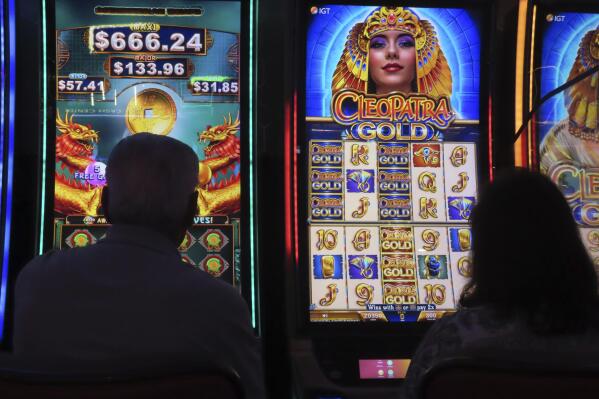
Our website is dedicated to promoting a secure and informative environment for those exploring gambling and its psychological impacts. We understand that while gambling can be entertaining, it also carries risks that need to be acknowledged. Responsible gambling is crucial in ensuring that individuals make informed decisions and recognize when to seek help.
We provide resources and information on responsible gambling practices, aiming to foster awareness and understanding of the psychological elements involved. Our mission is to empower individuals to engage in gambling safely, with a clear understanding of their decision-making processes and the potential consequences of their choices.
